 Gardeners World Team: Recycling and Sustainability
The Gardeners World Team is committed to practical, measurable action on waste reduction and low-carbon operations. Across our projects and site work we set a clear recycling percentage target: to recycle 80% of operational and site-generated waste by 2030, with an interim goal of 65% by 2026. This ambition reflects the priorities of a modern gardening organisation that balances plant health, soil stewardship and resource efficiency. As the Gardeners' World team evolves, our sustainability plan covers material reuse, composting, redistribution and careful transport planning. We will report progress annually and adapt practices to hit our targets.
 In the neighbourhoods we serve ??? from inner-city boroughs to suburban allotments ??? local councils take a range of approaches to waste separation. We work alongside kerbside schemes that collect food and garden waste separately, mixed recycling boxes for paper and card, and dedicated glass banks run by borough councils. Our operations integrate with these systems: small plant pots and plastic trays go to specialist recyclers, woody prunings to green-waste composting, and soil or stone by-products to licensed aggregates reuse where possible. This locally-aware approach ensures our recycling activity complements municipal systems rather than competing with them.
Local transfer stations and materials processing
We prioritise transfer stations and Materials Recovery Facilities (MRFs) within easy reach of our project zones. By consolidating loads at local transfer stations we reduce double-handling, cut transport mileage and improve material sorting quality. Our logistics team works with site supervisors to segregate loads on-site so that organic matter, clean soils, inert waste and recyclable plastics are routed to the right facilities. The Gardeners World recycling team maintains a map of approved local transfer stations and MRF partners to ensure transparency and traceability of flows from site to processing.
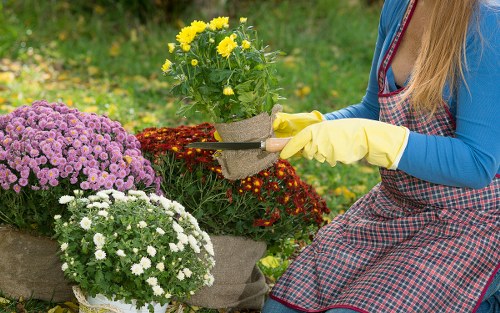 Partnerships with charities and reuse organisations are central to our circular approach. Excess plants, healthy starter trays, surplus soil conditioners and serviceable tools are offered to community allotments, social gardening projects and reuse charities rather than being disposed of. We collaborate with volunteer-led community gardens, tool libraries and welfare gardens to redistribute useful materials and build local resilience. The Gardeners World sustainability group organises regular donation days and plant-share events with neighbourhood charities, reducing waste while supporting social and environmental benefits.
Low-carbon vans and greener transport
The fleet is a visible part of our sustainability story. We are rolling out low-carbon vans across the estate: a mix of electric vans for short urban runs, plug-in hybrid vehicles for longer routes and a small number of biofuel-capable vans where charging infrastructure is impractical. Route optimisation software, combined with consolidated pickups at transfer stations, reduces fuel use and emissions. Our goal is for at least 60% of our vehicle miles to be driven by electric or low-carbon power sources by 2028. The GWT maintenance crews are trained to drive efficiently and to plan loads to avoid half-empty trips.
On-site practices are equally important: we separate materials at source, employ designated labelled containers for wood, green waste, plastics and hard materials, and favour bulk binning to minimise bagged waste. Temporary storage areas at larger projects are organised so recyclables are kept uncontaminated before collection. We also choose suppliers who accept returns of packaging and who operate take-back systems for pots and trays. By making small operational changes, the Gardeners World recycling team reduces contamination rates and maximises the proportion of material that can be reclaimed or composted.
 Measuring success involves more than a headline recycling percentage. We monitor a range of indicators: percentage recycled, tonnes diverted from landfill, transport carbon intensity per job, and the number of partnership redistributions to charities. Interim targets ??? 65% recycling by 2026 and 80% by 2030 ??? are backed by concrete actions such as doubling donation events, upgrading on-site sorting facilities and expanding electric charging points at hubs. We publish a clear summary of material flows so partners and local authorities can see how our work aligns with borough-level waste strategies and national recycling goals.
 The practical activities that underpin our targets include:
- Composting and in-vessel processing of green waste from pruning and lawn arisings;
- Reuse and redistribution of healthy plants, pots and tools to charity gardens and community groups;
- Segregation at source with labelled bins to prevent contamination and ensure mixed recycling quality;
- Collaboration with local transfer stations, MRFs and borough-run glass and food waste schemes;
- Low-carbon fleet deployment and route optimisation to reduce transport emissions.
As the Gardeners World recycling team expands its sustainability work, we emphasise learning and collaboration. We host training for site teams on correct segregation, support borough initiatives that pilot new kerbside collection methods, and share anonymised data with local councils to help improve municipal recycling services. The Gardeners World sustainability group champions continuous improvement: piloting reusable pot schemes, trialling compostable plant labels, and testing ways to reduce single-use plastics in plant supply chains.
In summary, our combined approach ??? setting an ambitious recycling percentage target, working with local transfer stations, forming partnerships with charities and investing in low-carbon vans ??? creates a resilient, circular strategy for horticultural operations. The Gardeners World Team, in its various guises (GWT, Gardeners World recycling team, Gardeners' World team), remains committed to practical, measurable steps that reduce waste, cut carbon and promote community benefit.