Spring planting guide for UK gardens 2026
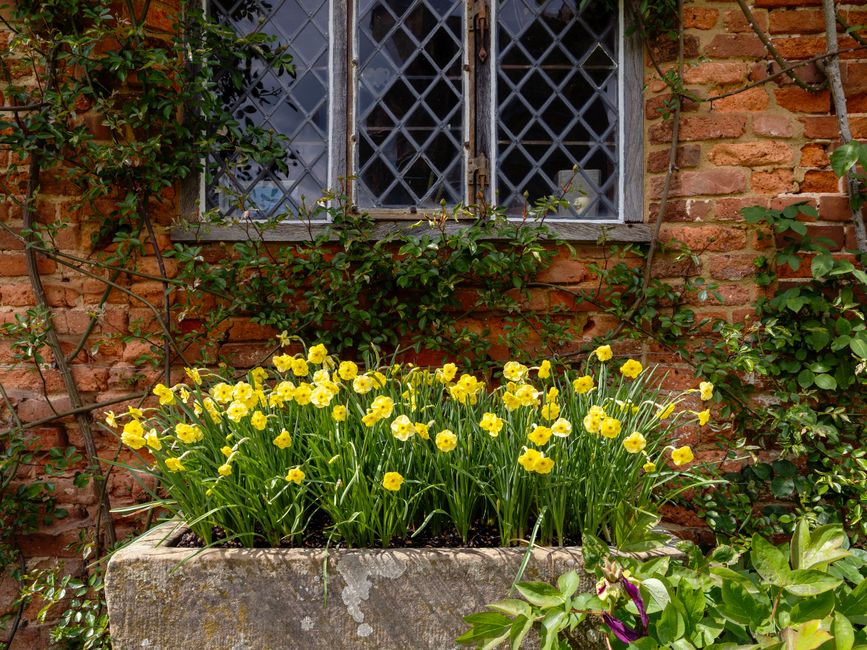
Spring in a UK garden can feel like a proper reset. The light changes, the soil wakes up, and suddenly that patch you ignored through winter looks full of possibility again. This Spring planting guide for UK gardens 2026 is here to help you make the most of it without rushing into planting too early or missing the best window for sowing, dividing, and getting beds ready.
Whether you are working with a neat suburban plot, a shaded courtyard, or a bigger family garden that needs some structure, spring planting is less about doing everything at once and more about getting the timing right. That sounds simple, but in the UK the weather can be a bit of a tease. One week feels mild, the next brings a hard frost and a cold east wind that nips at young growth. So yes, a plan helps. A lot.
In this guide, you will find practical advice on what to plant, when to plant it, how to prepare your soil, how to avoid common mistakes, and how to choose the right approach for your garden space. You will also find a straightforward checklist, a comparison table, and a few realistic examples so the whole thing feels usable, not theoretical.
Quick expert summary: Spring success in UK gardens usually comes down to three things - wait for workable soil, match plants to local conditions, and protect tender growth from late cold snaps. Get those three right and most of the rest becomes much easier.
- Use spring to prepare beds, sow hardy crops, and plant container-grown ornamentals.
- Do not assume the same schedule fits every part of the UK.
- Cold nights still matter well into spring, especially for tender plants.
- Healthy soil and consistent watering often make a bigger difference than expensive products.
For readers who want extra help with wider seasonal upkeep, it can also be useful to look at our garden maintenance and gardening services pages. They are a sensible next step if your spring plans are tied to a bigger refresh rather than just a few new plants.
Let's get into it.
- Why spring planting matters in UK gardens
- How spring planting works
- Key benefits and practical advantages
- Who this guide is for
- Step-by-step guidance
- Expert tips for better results
- Common mistakes to avoid
- Tools, resources and recommendations
- Law, compliance, standards, or best practice
- Options, methods, or comparison table
- Case study or real-world example
- Practical checklist
- Conclusion
- Frequently asked questions
Why Spring planting guide for UK gardens 2026 Matters
Spring matters because it is the season where a garden can either build momentum or get stuck. Plant too early and a frost can knock back tender growth. Plant too late and you may miss the strongest establishment window before the summer heat and dry spells arrive. In UK gardens, especially those exposed to wind or heavy clay, that timing difference can be the difference between a bed that thrives and one that spends the whole year looking slightly sorry for itself.
The other reason this topic matters in 2026 is that gardeners are managing more pressure than they used to. Many people want lower-maintenance planting, more pollinator value, better drought resilience, and a garden that still looks good when they are not standing there watering every other day. Fair enough, really. Spring is the best moment to set that up.
It is also the time when garden structure shows. After winter, gaps become obvious. A border can feel bare, the lawn may have patchy sections, and shrubs can look a bit flat. Spring planting fills those spaces while giving new plants a long growing season to settle in. If you have been thinking about wider improvements such as landscaping or a more complete garden refresh, this is usually the season when planning pays off fastest.
In practical terms, spring planting helps you:
- make use of warmer soil and longer daylight
- establish roots before summer stress arrives
- replace winter losses cleanly and quickly
- improve colour, texture, and biodiversity early in the year
- set up a productive kitchen garden or a better-looking ornamental space
And there is a simple emotional truth too: seeing fresh growth after a grey winter does something good to people. A new bed of seedlings, a tidy border, even a few pots near the back door - it all makes the place feel alive again.
How Spring planting guide for UK gardens 2026 Works
Spring planting is not one single task. It is a sequence of decisions. First, you assess the site. Then you prepare the soil. After that, you decide what can be sown directly, what should be started under cover, and what is better planted as young plants rather than seed. That order matters more than many people think.
The core idea is simple: different plants need different soil temperatures and levels of protection. Hardy annuals, many vegetables, and some perennials can tolerate cool conditions. Tender crops and frost-sensitive ornamentals need a warmer start, often indoors, in a greenhouse, or under fleece. In the UK, spring stretches from the first mild days of March through to late May, but your local microclimate matters more than the calendar. A sheltered London garden is not the same as an exposed plot in the Midlands or a windy coastal garden in the north.
So how does it work in practice?
- Read the garden conditions. Check where frost lingers, where water collects, and which areas get the most sun.
- Prepare the soil. Clear debris, loosen compacted ground, add organic matter where needed, and improve drainage if the bed is heavy.
- Group plants by need. Put sun-lovers in bright spots, shade-tolerant plants in softer light, and moisture lovers where soil stays more even.
- Time planting to temperature, not just date. The soil should be workable and no longer waterlogged or frozen.
- Protect young plants. Use fleece, cloches, or simple shelter if a cold snap is forecast.
The best spring planting plans are flexible. They allow for a chilly week, a warm spell, and the odd bit of gardening improvisation. Truth be told, that is very UK. If you want reliable outdoor growth later in the year, spring is the moment to do the groundwork, not the moment to rush the finish line.
Key Benefits and Practical Advantages
There are obvious benefits to spring planting, but some of the best ones are a bit less glamorous and a lot more useful.
- Longer establishment time: roots have months to settle before autumn returns.
- Better recovery from transplanting: young plants usually adapt better in mild spring conditions than in the heat of summer.
- More choice: garden centres and nurseries begin offering a much wider range of vegetables, bedding plants, and perennials.
- Improved garden structure: spring is ideal for filling gaps in borders and creating layered planting that looks good through summer.
- Higher success with seed sowing: many crops germinate well when light, warmth, and moisture are balanced properly.
- Better wildlife support: spring flowers and pollinator-friendly plants give insects an early food source, which matters more than people sometimes realise.
There is also a cost-related advantage. Starting with the right plants at the right time can reduce losses, replacements, and extra watering. Let's face it, no one enjoys paying for plants twice because the first batch got caught out by a surprise frost. If you are trying to improve a whole space, this can also be a smart moment to combine planting with practical work such as garden clearance or garden services, especially if the site has become overgrown or cluttered.
For edible gardens, the payoff is even clearer. A spring-started vegetable bed can keep producing for months, and a little early planning means you can stagger sowings rather than getting everything at once. That is kinder to the kitchen and, frankly, kinder to your weekends.
Who This Is For and When It Makes Sense
This guide is for anyone who wants a better spring garden in the UK, but it is especially useful if you fall into one of these groups:
- New gardeners who want a straightforward plan without jargon.
- Homeowners refreshing borders, containers, or lawns after winter.
- Renter gardeners working with pots, raised beds, or moveable planting schemes.
- Vegetable growers looking to sow crops at the right time for a productive season.
- Busy households that want lower-maintenance planting with a good return on effort.
- People managing awkward gardens - shady, windy, clay-heavy, tiny, or patchy spaces included.
It makes sense to use a spring planting plan when you want visible improvement without committing to a full redesign. You do not have to rebuild the whole garden to make spring worthwhile. Sometimes it is one border, one bed, one row of pots by the patio, and suddenly the whole place feels different.
If you are in a city garden or dealing with a compact plot, the principles are the same, but plant choice becomes more important. Smaller spaces benefit from vertical interest, repeat planting, and a few reliable performers rather than a crowded mix of fussy varieties. If that sounds familiar, the ideas in our moveable garden methods article can sit nicely alongside spring planting plans.
This is also the right season for gardeners who have been putting off maintenance. We all do it. Winter rolls on, then suddenly it is April and the whole garden needs a bit of a rescue. Spring planting makes sense because it gives you momentum quickly.
Step-by-Step Guidance
Here is a practical spring planting sequence that works well in most UK gardens. Adapt the timings to your local weather and the plant labels you are using - the label wins, always.
1. Assess your garden properly
Before you plant anything, spend a bit of time watching the garden. Which areas dry fastest? Which spots stay damp after rain? Where does the sun actually land in the morning and late afternoon? This sounds basic, but it stops you putting the wrong plant in the wrong place. A dry, bright border is fine for many Mediterranean-style plants, while a shaded, cooler corner may need shade-tolerant perennials or ferns.
2. Clear out winter debris
Remove dead annuals, broken stems, leaves that have turned slimy, and any rotting plant material around the base of shrubs. If you have a large amount of waste, a tidy-up with garden clearance can make the whole job faster and less overwhelming. You do not need a perfect blank canvas. Just a clean, workable one.
3. Improve the soil
Spring planting goes much better when the soil has structure. Add well-rotted compost or another suitable organic matter to help with moisture retention and texture. Heavy clay soils usually need patience and gentle handling; do not work them when they are too wet, or you will make compaction worse. Sandy soils may need extra organic matter to hold nutrients and moisture.
4. Choose the right planting method
There are three main ways to start spring planting:
- Direct sowing: seeds go straight into the bed or container.
- Starting under cover: seeds germinate in a protected space first.
- Planting young plants: bought or home-grown seedlings are placed directly into the garden.
Direct sowing is often best for hardy annuals and many vegetables. Tender plants usually need a more protected start. If you want faster results and less guesswork, young plants are often the safest option for beginners. Not the cheapest, perhaps, but often the least stressful.
5. Plant at the right depth and spacing
Do not bury plants too deeply. The crown or growing point should sit at the correct level, not below it. Space plants so they can mature without crowding one another. Crowding may look lush for a week, then turn into a disease-prone tangle. You know the sort. Too neat to be natural, too crowded to be healthy.
6. Water in thoroughly
After planting, water slowly and deeply. This helps settle soil around the roots and gives plants a proper start. For pots and containers, check drainage carefully. Waterlogging can be just as damaging as drought, especially early in the season when evaporation is low.
7. Protect from late cold
Even in milder springs, a cold night can undo a lot of progress. Keep fleece, cloches, or a simple overnight cover handy for tender or newly transplanted plants. If you are unsure, err on the side of caution. One frosty surprise is enough to teach that lesson.
8. Monitor and adjust
Watch for wilting, yellowing, pest nibbling, or poor drainage. Spring planting is not a one-and-done task. A little observation in the first two weeks can save a lot of trouble later. And yes, that usually means a few extra watering trips with a can in hand. It is a bit of a chore, but it pays back quickly.
Expert Tips for Better Results
If you want better results than the average spring planting effort, focus on the small things that compound over time.
Use the weather forecast as a planting tool
Choose a mild, overcast day for transplanting if you can. It reduces stress on seedlings and young plants. Bright sun can be harsh on newly moved plants, especially if wind is also up. Early morning is often better than late afternoon, because plants have time to settle before nightfall.
Match plants to microclimates
A south-facing wall can create a warm pocket that suits tender herbs or early bedding plants. A north-facing fence line, on the other hand, may need something more forgiving. In our experience, the gardeners who pay attention to those small differences get the best results with the least effort. No drama. Just better placement.
Work with soil, not against it
Most spring planting failures are not because the plant was "bad". They are because the soil was too wet, too dry, too compacted, or simply not suited to the job. If you are unsure, test a small area first and see how it behaves after watering and rain. A tiny bit of observation can prevent a lot of disappointment.
Choose repeat performers for structure
Use reliable plants to anchor the garden, then add one or two more experimental choices around them. This gives your beds a stable look even if one or two plants struggle. Think of it as gardening with a safety net.
Keep containers in the plan
Containers are brilliant for spring because they are flexible, quick to refresh, and easier to protect from frost. If your garden is still a work in progress, pots can bridge the gap beautifully. For useful ideas on this, see our article on tall potted plants for terrace privacy.
Do not overfeed too soon
It is tempting to throw everything at a bed in spring - compost, fertiliser, mulch, the lot. But too much feeding can encourage soft growth that is more vulnerable to pests and cold weather. A modest, balanced approach usually works better. Less exciting, maybe. More effective, definitely.
Common Mistakes to Avoid
Spring planting mistakes are often small ones. The annoying part is that they seem harmless at the time.
- Planting too early: cold soil slows roots and increases the risk of damage.
- Ignoring soil condition: digging into wet clay can ruin structure and cause compaction.
- Overcrowding plants: this reduces airflow and raises disease risk.
- Forgetting to harden off seedlings: young plants need time to adjust to outdoor conditions.
- Assuming all UK gardens follow the same calendar: they do not.
- Using poor drainage in containers: roots can rot quickly in cold, wet pots.
- Skipping aftercare: newly planted material often needs closer attention than established plants.
One mistake we see a lot is people planting because the garden "looks warm". Nice feeling, but not a reliable indicator. The air might be mild while the soil is still chilly. That matters. Also, spring weather has a habit of acting charming for three days and then turning on you. Gardening, honestly, is a relationship with compromise.
Another common issue is buying too many plants at once. It feels productive, but it can become a watering and spacing nightmare. Better to plant well than to plant a lot badly.
Tools, Resources and Recommendations
You do not need a shed full of kit to plant successfully in spring, but a few well-chosen tools make the job easier and neater.
| Tool or item | What it helps with | Why it matters in spring |
|---|---|---|
| Spade or border fork | Soil preparation and planting holes | Lets you work ground cleanly once it is workable |
| Hand trowel | Small planting jobs and containers | Perfect for bedding plants and seedlings |
| Watering can with rose | Gentle watering | Useful for settling roots without washing soil away |
| Fleece or cloche | Cold protection | Helps defend tender growth from late frosts |
| Compost or organic matter | Soil improvement | Supports structure, moisture retention, and root establishment |
| Plant labels | Planning and record-keeping | Helps you remember what was planted where, which is oddly easy to forget |
If your spring work is part of a broader garden refresh, you may also want help with the heavier jobs first. That can include hedge trimming, lawn mowing services, or even tree surgeon support where overgrown trees are blocking light or causing cluttered shade. Getting the framework right often makes planting much more successful.
For gardens with worn paths, muddy access, or tired hard landscaping, a little surface prep can help too. A cleaner patio, for example, can make spring pots look much better. That is where something like patio cleaning or jet washing can support the planting work rather than compete with it.
Law, Compliance, Standards, or Best Practice
Spring planting in a private garden is usually straightforward, but there are still a few good-practice points worth keeping in mind.
First, if your planting affects boundaries, access, visibility, or shared spaces, check the practical and legal position before you make changes. That is especially true for front gardens, roadside planting, and anything near paths or communal edges. Some local areas have specific expectations around visibility, verge planting, or shared responsibility. If that sounds relevant, our article on council verge planting rules and permissions is worth a look.
Second, use safe handling practices for tools, compost, and any heavy materials. Even simple jobs can cause slips, strains, or cuts if you are rushing. Good gardening habits are not glamorous, but they matter. The same goes for safe storage of tools and keeping paths clear while you work.
Third, if you are hiring help, it is sensible to check that the work is carried out in line with standard safety and insurance expectations. Our pages on health and safety policy and insurance and safety explain the general approach used on this site. It is always wise to work with people who take that side seriously.
Finally, if you are choosing plants or materials, better practice usually means picking species suited to the site rather than forcing a fashionable choice into the wrong setting. That is not a legal point, but it is good gardening. And better gardening tends to save money, time, and a fair bit of frustration.
Options, Methods, or Comparison Table
If you are planning your spring garden, the main decision is often not whether to plant, but how to plant. Each method has its place.
| Method | Best for | Pros | Watch-outs |
|---|---|---|---|
| Direct sowing | Hardy annuals, some vegetables, simple borders | Low cost, simple, natural growth pattern | Needs suitable soil and good timing |
| Starting under cover | Tender crops, early sowing, control over germination | More control, earlier start, better germination in cool weather | Requires space and regular checking |
| Buying young plants | Quick results, beginners, small gardens | Faster visual impact, less risk, easier planning | Usually costs more than seed |
| Container planting | Patios, balconies, awkward corners, temporary displays | Flexible, movable, easier to protect | Needs watering more often |
For many UK gardens, the best answer is a mix. A few seeds for scale, a few young plants for certainty, and some containers for flexibility. That combination keeps things moving even if the weather hesitates.
Case Study or Real-World Example
A typical spring project might look like this: a south-facing London terrace with a tired border, a couple of pots that survived winter, and a patch of lawn that needs more than a little encouragement. The owners want the garden to feel brighter by early summer, but they do not want a full redesign or a maintenance-heavy scheme.
In that kind of setting, the most effective spring approach is usually practical and layered:
- clear dead growth and debris from the border
- improve the soil with compost
- plant a mix of compact perennials and reliable annuals
- add a few herbs or edible plants near the kitchen door
- refresh pots with colourful, manageable plants
- tidy the lawn edge and make the access areas feel finished
If the space is overlooked or needs a little extra privacy, tall container planting can help soften the view without building anything permanent. If the garden has an awkward stump or leftover tree base in the way, dealing with that first can make the whole layout feel cleaner. There is no point designing around a problem you can remove. For that sort of job, our tree lopping and removal and stump grinder pages explain the broader service options.
What usually surprises people is how quickly a modest spring plan can change the feel of a garden. A few well-placed plants, a cleaner edge, and a better sense of structure can make the whole place feel more intentional. Not flashy. Just good. And that often lasts longer than a rushed makeover.
Practical Checklist
Use this before you start planting in spring:
- Check the local weather forecast for frost risk.
- Confirm the soil is workable, not waterlogged or frozen.
- Decide which plants will be sown, started under cover, or planted as young plants.
- Clear dead material and tidy the planting area.
- Add organic matter where the soil needs improvement.
- Group plants by sun, shade, and moisture needs.
- Set spacing before planting anything in the ground.
- Water thoroughly after planting.
- Protect tender growth if temperatures drop.
- Label what you planted and where.
- Review watering needs for the first two weeks.
- Keep a little flexibility in the plan because spring weather can be unpredictable, to be fair.
Helpful reminder: if you are managing a larger outdoor project, a spring planting plan often works best alongside regular upkeep. The garden will thank you for it. Quietly, but clearly.
Conclusion
A good spring garden in the UK is rarely the result of one dramatic day's work. More often, it comes from steady decisions made at the right time: preparing the soil, choosing plants suited to your conditions, and giving them enough protection to get established. That is the heart of a strong Spring planting guide for UK gardens 2026.
If you keep things practical, seasonal, and flexible, you give your garden a much better chance of looking full, healthy, and settled by early summer. You do not need to chase every trend or cram every border. You just need a plan that fits the space and the weather. And in the UK, the weather always has a say, doesn't it?
For many gardeners, spring is the moment when everything starts to feel possible again. A little light, a bit of fresh soil, and that first proper sign of growth. It never gets old.
Get a free quote today and see how much you can save.
Frequently Asked Questions
When is the best time to start spring planting in the UK?
The best time depends on what you are planting and where you live. In general, start once the soil is workable and the worst frost risk has eased for the plants you have chosen. Hardy plants can go earlier than tender ones, but check each plant label rather than relying on a fixed date.
What can I plant in March in a UK garden?
March is often a good month for hardy annuals, some vegetables, bare-root or container-grown plants, and soil preparation. In colder areas, you may still need protection for new growth. It is a useful month for getting started, but not for rushing tender plants outdoors.
What vegetables should I sow in spring?
Many UK gardeners sow peas, beans, carrots, beetroot, lettuce, and other cool-season crops in spring, depending on the exact timing and local conditions. Some are direct-sown, while others do better starting under cover first. The packet or label guidance is your best friend here.
Can I plant flowers in spring even if it is still chilly?
Yes, provided you choose hardy flowers or wait for suitable conditions for tender ones. Spring bedding and many perennials can cope with cooler weather, but a late frost can still damage sensitive plants. If in doubt, keep fleece nearby.
Do I need to improve my soil every spring?
Not always, but many gardens benefit from at least some seasonal soil care. Adding compost or organic matter can improve texture, drainage, and moisture retention. It is especially useful if your soil is heavy clay, sandy, or has been heavily worked.
Is it better to grow from seed or buy young plants?
Both have advantages. Seeds are cheaper and give you more choice, but young plants are faster and often easier for beginners. A mixed approach usually works best, especially if you want some quick colour and some longer-term planting too.
How do I protect spring plants from frost?
Use horticultural fleece, cloches, or temporary covers on cold nights. Move containers to shelter where possible. It also helps to avoid planting the most tender species until the forecast is reliably milder. Spring frost can be sneaky, which is slightly rude of it.
What are the most common spring planting mistakes?
The biggest mistakes are planting too early, ignoring soil condition, overcrowding plants, and forgetting aftercare. Another common one is choosing plants for appearance alone without checking whether the site suits them. Good looks matter, but location matters more.
How much watering do new spring plants need?
New plants usually need regular watering until their roots establish, especially in dry or windy weather. The goal is steady moisture, not soggy soil. Pots need checking more often than beds, because they dry out faster.
Can I plant in containers if I do not have much garden space?
Yes, and containers are often one of the best spring options for small spaces. They give you flexibility, help you control soil conditions, and can be moved if frost threatens. They are also brilliant for testing colour combinations before committing to a larger bed.
Do I need professional help for spring planting?
Not always, but it can be worthwhile if your garden needs clearance, soil improvement, tree work, or a more complex layout. Professional help can save time and reduce mistakes, especially if the project is bigger than a simple refresh. A lot depends on how much time and confidence you have.
What should I do if my spring planting fails?
First, look at the cause rather than replacing plants immediately. Check soil moisture, frost damage, spacing, drainage, and light levels. If the issue is site-related, the same plant may fail again. Fixing the conditions usually works better than just trying again and hoping for the best.